Hello Substack!
Inkshares & The Inkubator

At the end of last year, we kicked off a weekly(ish) newsletter called The Inkubator.
The idea for The Inkubator was born out of two things. First, we realized how frequently we found ourselves giving the same notes to talented aspiring writers. Second, we wanted to be able to share these lessons in a broader context than editorial letters, which are personalized to one author. For every one writer whose book we edited at Inkshares, we knew there were a thousand more who might benefit from the same guidance, even if our colophon weren’t to end up on the spine of their novel. Our hope for the Inkubator is to build it into a serious continuum of resources, a “practical MFA in commercial storytelling.” For now, much of that will be located here.
Taking a step back, for those of you coming to this Substack fresh, you might be wondering:
Wait. Rewind. What is Inkshares?
We founded Inkshares in 2014 in my studio apartment in San Francisco. Our goal was to create a platform that would surface the next generation of unknown but talented storytellers—future Tom Clancys and J.K. Rowlings. Over these seven years, Inkshares has evolved from its first iteration as a “crowdfunded publisher” to a community of serious, aspiring authors.
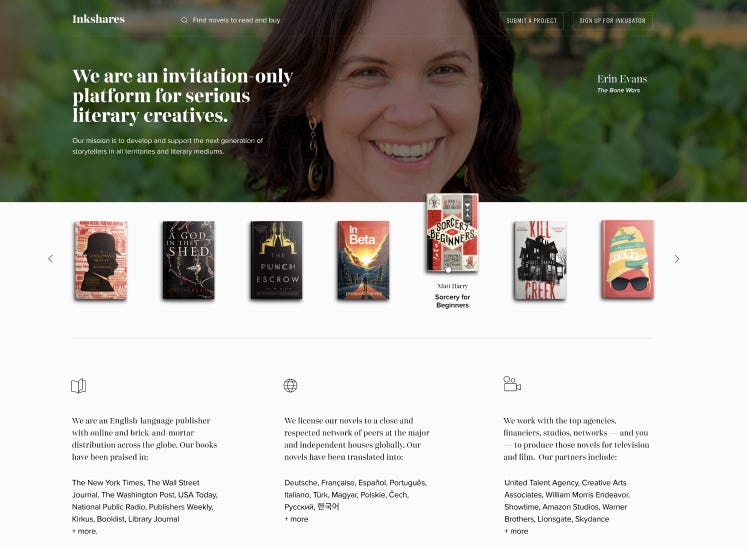
Inkshares writers have been praised on the front pages of The New York Times, The Washington Post, and USA Today, and interviewed on National Public Radio. Their novels have reached the Amazon Top-Ten Most Sold. And their adaptations—many with them at the helm—have sold to Apple, Amazon, Showtime, Warner Brothers, Lionsgate, Legendary, and other top studios and networks.
WAIT. Rewind again. WHAT. IS. INKSHARES???
We are an online community of writers and readers located at Inkshares.com. We publish books from our community, including—yes—print books distributed nationwide in brick-and-mortar stores. We license those novels to the major houses in foreign territories. And we also produce those novels for television and film along with studio and other producorial partners. But all of that begins with a community focused on a love for great books and the craft of storytelling. Let’s pause on that word: craft.
What does “craft” really mean? Can I get it without years of schooling?
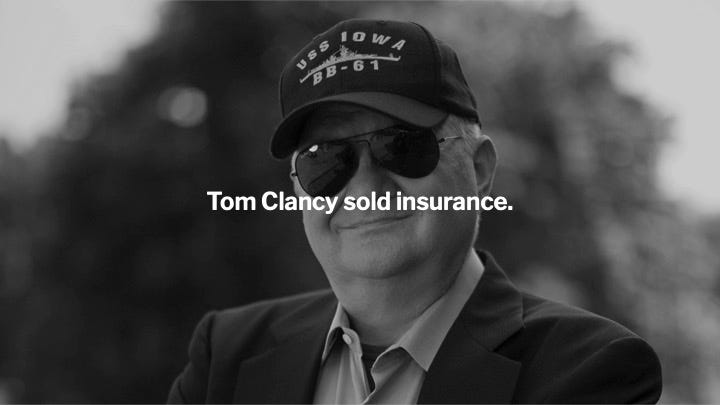
Tom Clancy never earned an MFA in creative writing. He was, in fact, an insurance salesman from Baltimore who had been rejected from the armed forces because of poor eyesight.
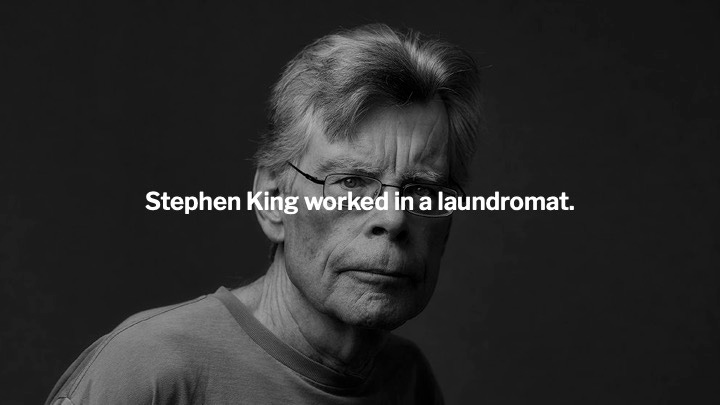
The same for Stephen King, who at the time of getting his first book deal (for Carrie) was working in a laundromat.
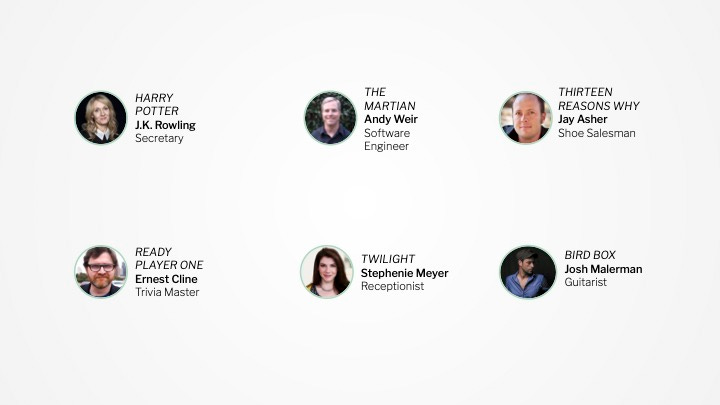
Indeed, few of the commercially successful novelists we all know and love pursued formal training in writing prior to their successes.
We told this fact to nearly every venture capitalist on Sand Hill Road, most of whom simply stared back at us blankly, then erupted into something like this:
“You want to make books? Like paper books? Books?! Like books that people read on paper?! Books?! The ones where you flip the pages, like grandpapa used to read me?! You must mean ebooks, right?!” BOOKS?!”
Yes. Books. Smart ones. Thrilling ones. Ones that make us think and feel. Written by talented, everyday people with bright imaginations and deep wells of inspiration.
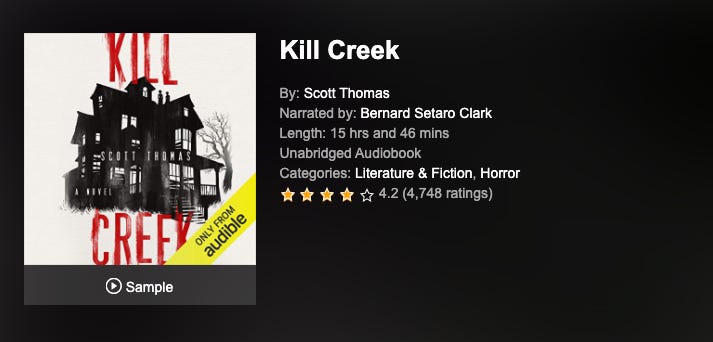
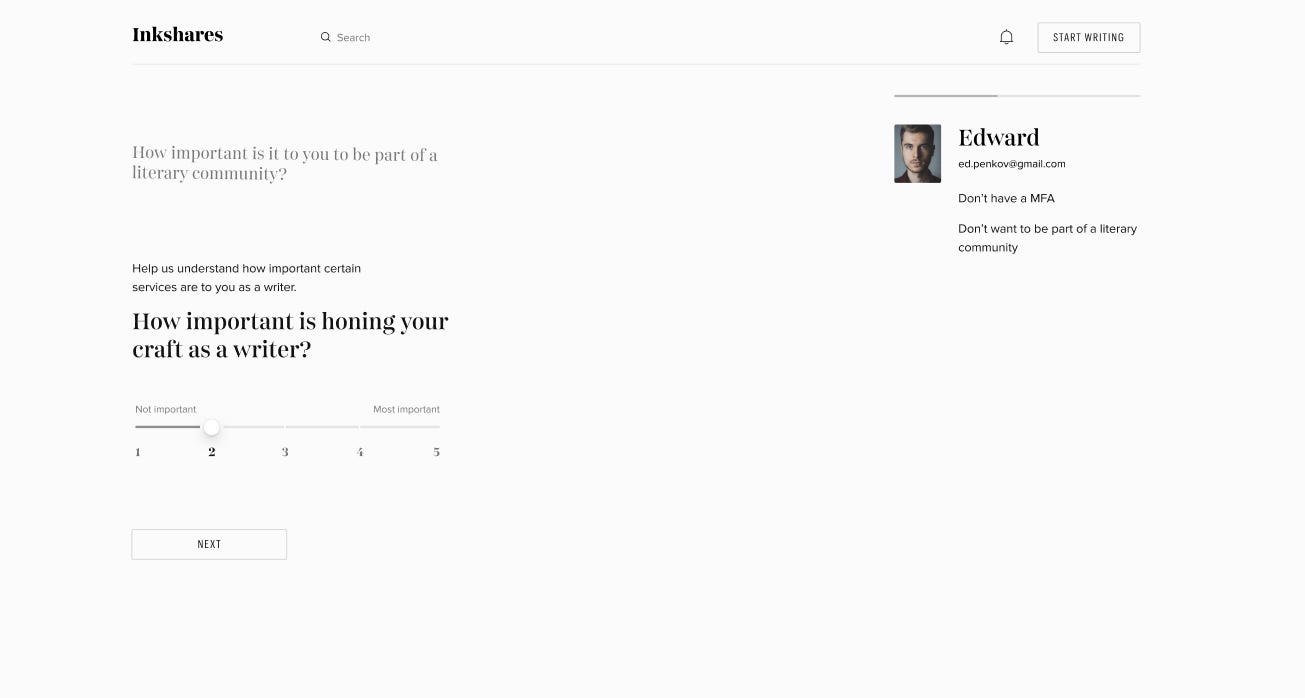
What you see on the slides above holds true for our author community: in our most recent contest, less than 10% of entrants had an MFA and less than 20% had an undergraduate degree in literature. Importantly, while an undergraduate or graduate degree in writing will help elevate your craft, it will not necessarily help you think like a commercially successful storyteller. That is something that used to be groomed by an editor across the multi-book contracts of publishing yesteryear—but no more. Our biggest frustration as a team is that there are more talented, aspiring authors on Inkshares than we can actively edit, groom, and shepherd on to success as publishers and producers.
You might ask: What can The Inkubator provide that isn’t available across the internet?
Fair question.
Here’s what I think Inkubator can furnish that is hard to achieve on your own. First, while there are many helpful guides on how to write a great novel, there is actually an overabundance of information, which leads to paralysis for many debut authors. One of the reasons classrooms are helpful is they focus you on what’s on the blackboard and only that. Inkubator is that blackboard, accessible from wherever you are. Second, we can give you a framework that optimizes between theory and practice while creating organic structure—I say organic structure, because too many frameworks are rote and create derivative, paint-by-number literary outcomes. Ultimately, Inkubator gives you tools that you can adapt for your own purpose.
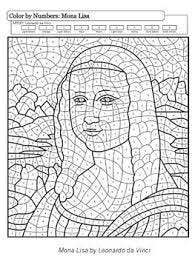
Third, there’s just a lot of bad advice out there—from what gets haphazardly retweeted to what appears in a slightly more well-composed manner on high-minded blogs.
Finally, Inkubator will be grounded in analysis-by-example. Most of us learn best by example, which breeds organic pattern recognition. This allows us to relax as writers, and write from a place of greater depth. Around all of this, our goal over time is to wrap events and community around Inkubator.
This will take shape first across posts like this one, posts from successful Inkshares and non-Inkshares authors, recommended reading lists, and our new podcast. 2022 should see significant changes to Inkshares.com to align the product with these purposes: updates that focus on the craft of writing will be immediate and present as part of your user experience.
We look forward to your thoughts on how we can shape the Inkubator to best help you on your literary journey. You can write us at inkubator@inkshares.com
And don’t forget to subscribe here.
Stay Creative,
Adam Gomolin.